Quiet Luxury at Home: Acoustic Comfort That Feels Effortless

Today we explore acoustic enhancements for a calm and refined home environment, translating technical ideas into welcoming habits that anyone can apply. Expect practical insights, surprising science, and beautiful solutions that blend with your style. Share your own sound challenges in the comments, ask questions freely, and subscribe for evolving guides that make every room softer, clearer, and more restorative without sacrificing elegance or personality.

Why Sound Shapes Peace

Calm is not only about colors and light; it begins with the way sound behaves in your rooms. Research links excessive noise to stress, poor sleep, and reduced focus. By guiding reflections, taming reverberation, and masking distractions, you create a sanctuary that supports conversation, reading, and rest. We will demystify noise ratings, suggest simple tests, and help you tune ambience like a favorite playlist.

Psychoacoustics in Everyday Rooms

Your brain interprets sound through expectations and context, which is why identical decibels can feel wildly different between a cozy library and a tiled kitchen. Small changes matter: shorter echo times reduce fatigue, and balanced frequencies feel effortlessly natural. Understanding loudness curves, early reflections, and sensory load helps you refine comfort without extremes, focusing on controllable adjustments that stack into lasting serenity.

The Difference Between Noise and Sound

Noise is unwanted, unpredictable, and often spiky; sound can be intentional, gentle, and shaped. Rather than chasing absolute silence, aim for a pleasing background that makes sharp intrusions less noticeable. This mindset unlocks livable choices: soft diffusion over stark absorption, layered textures over bare surfaces, and thoughtful masking where complete isolation is impractical. The result feels human, warm, and quietly luxurious.

Measuring Quiet Without Guesswork

You do not need lab equipment to start. Use a smartphone decibel meter and clap tests to estimate reverberation. Record short voice notes to hear clarity before and after adjustments. Note how dishwasher cycles, hallway echoes, or street bursts change across the day. Track improvements incrementally, celebrate each small gain, and refine the next step based on evidence, not assumptions or complicated jargon.

Materials That Soften the Edges

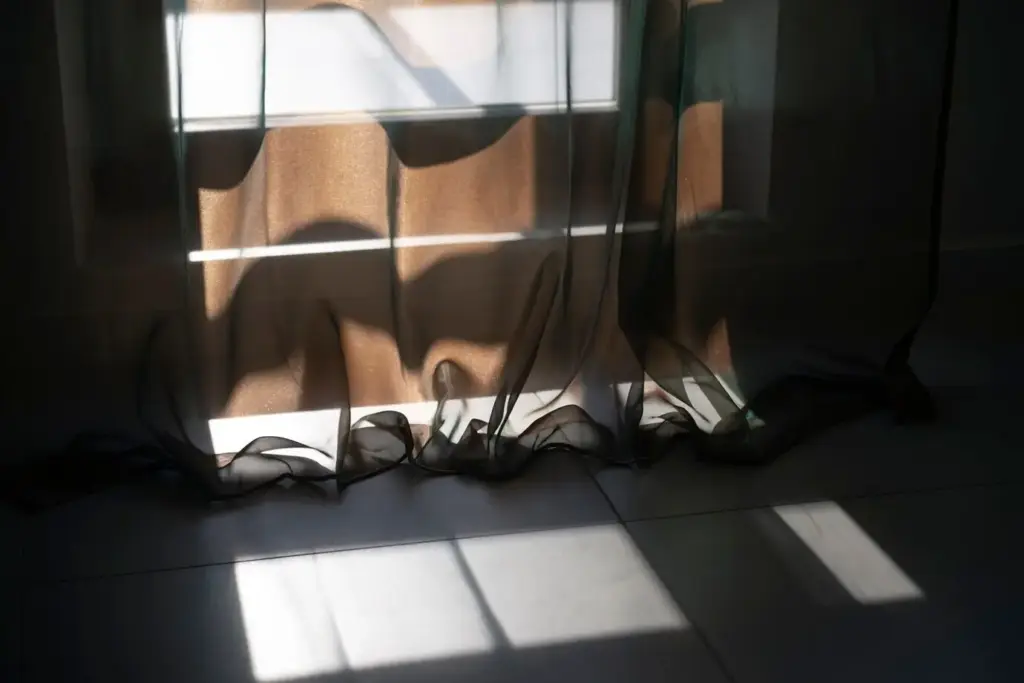
Choose dense, floor-grazing curtains with thermal or blackout linings, and increase fullness to at least twice the window width. Heavier fabrics absorb mid-to-high frequencies, while proper pleats create pockets that trap reflections. Layer sheers and drapes for flexible control throughout the day. Combine with discreet roman shades to tackle early reflections, maintaining daylight and privacy while dialing down harsh, glass-driven slapback echo.
A thick rug with a quality underlay can change a room’s voice dramatically, particularly in spaces with hard flooring. Prioritize density and coverage over decorative thinness. Place runners in echo-prone corridors and rugs beneath conversation zones to cushion footsteps and soften consonants. Mixing pile heights across adjacent spaces reduces boundary reflections, while natural fibers breathe better, age beautifully, and complement understated architectural finishes.
Modern acoustic panels can function as art, bringing saturated color or subtle texture while improving speech intelligibility. Position them at first reflection points near sofas or desks, and experiment with ceilings where flutter echo lingers. Freestanding baffles help in open-plan areas without permanent alterations. Choose recyclable cores and removable fabrics for longevity, and vary thickness to target problematic frequencies without over-damping the room’s character.

Architecture and Layout for Serenity

Thoughtful layout reduces noise at the source. Place quiet activities away from corridors and shared walls. Seal door gaps, add soft-close hardware, and treat thresholds like acoustic gates. Angle furniture to break parallel planes that foster flutter echo. Consider double-layer drywall or resilient channels during renovations. Even modest changes—heavy doors, bookcases as partitions, and fabric-backed screens—create a surprisingly dignified hush that feels immediately restorative.

Natural Layers and Low-Tech Magic

Before buying technology, consider the quiet power of natural layers. Books scatter midrange energy; plants attenuate and break sightlines; textiles absorb highs. Stack small advantages: a throw on leather, felt under trays, cork under planters. These details transform daily living, restoring gentle presence to voices and footsteps. The resulting calm feels organic, sustainable, and delightfully easy to maintain across seasons and changing routines.

Bookshelves as Diffusers, Not Just Decor

A well-stocked shelf acts like a cityscape for sound, breaking reflections into softer ripples. Mix heights and depths, avoid aligned spines, and tuck a few fabric baskets along the base. Place shelves near reflective corridors or behind seating to scatter energy humanely. The effect preserves clarity for conversation while reducing fatigue, delivering that quiet, cultured ambiance people notice without pinpointing exactly why it feels better.

Plants that Absorb More Than Light

Broad leaves, layered heights, and clustered arrangements interrupt reflections and calm the room’s envelope. Combine tall species with trailing varieties near hard corners to reduce slapback. Use breathable planters with felt pads to avoid resonance. Beyond acoustics, the visual softness and humidity balance support wellbeing. This living layer feels timeless, seasonal, and effortlessly elegant, working alongside textiles to create an inviting, composed atmosphere.

Sound Masking that Feels Like Fresh Air

Proper masking is not a loud machine; it is a subtle layer that smooths unpredictable spikes from pipes, traffic, or hallway chatter. Choose devices with adjustable spectra and timers, tuned for night or focus blocks. Place away from listeners to avoid localization. Start quietly, adjust gradually, and judge success by ease, not sheer loudness. The right balance disappears behind daily life while protecting precious calm.

Placement of Speakers for Pleasure, Not Pressure

Good placement reduces the need for high volume. Angle speakers toward soft surfaces, lift them off resonant furniture with isolation pads, and avoid corner loading that booms through walls. Calibrate levels for conversation-friendly listening. Consider small, distributed speakers rather than one powerful source. Enjoy richer detail at lower volume, protect neighboring rooms, and keep music inviting. Comfort grows when sound envelops rather than overwhelms.

Apps, Meters, and a Weekend Sound Audit

Run a simple audit: measure decibels during breakfast, work, and bedtime to spot patterns. Clap in empty rooms, record short voice memos, and note which corners exaggerate echo. Adjust rugs, curtains, and seating, then re-measure to confirm gains. Track results in a shared note so household decisions stay collaborative. Celebrate each small win, and tell us what worked so others can learn from your experience.

Smart Tools and Subtle Technology

Discretion is key. Technology should support serenity, not perform loudly. Consider sound masking with gentle broadband noise, use speaker placement that respects neighbors, and add doorbell cameras with volume controls. Measure before and after changes with apps, logging times and triggers. Build a ritual: monthly sound audits, seasonal fabric swaps, and weekend tweaks. Invite questions, share progress photos, and subscribe for tool reviews that prioritize elegance.

Stories from Real Homes, Steps You Can Copy Today

Practical examples reveal the path. These stories prove you can cultivate quiet without rebuilding your house. Focus on layering, targeted fixes, and gentle technology. Adapt ideas to your taste and budget, and share your results with our community. Comment with your biggest challenge, subscribe for follow-ups, and request personalized checklists. Calm grows from the details, and your home can transform faster than expected.

The Echoing Kitchen that Became a Conversation Haven

A family with stone floors and tall ceilings struggled to hear each other during dinner. They added a washable rug beneath the table, doubled curtain fullness, installed felt pads under chairs, and mounted two art panels on a blank wall. Within days, conversation slowed naturally, jokes landed, and clatter softened. The space felt intimate without losing brightness, proving small, attractive steps can work wonders.

A Tiny Apartment, a Bigger Sense of Quiet

Street noise and hallway voices overwhelmed a compact studio. The resident introduced a solid-core door, door sweep, and dense drapes across the window wall. Two tall plants broke a reflective corner; bookshelves near the entry scattered chatter. A small masking device covered sudden bursts. Sleep improved, calls sounded professional, and the apartment finally felt refined, despite its size. Elegance arrived through restraint, not excess.

Home Office Clarity without Studio Prices

Remote meetings suffered from echo and keyboard clatter. A wool rug, fabric pinboard behind the monitor, and ceiling cloud above the desk shortened reverberation. The door gained seals, and a bookshelf beside the mic diffused voice reflections. Volume dropped, articulation improved, and long sessions felt less tiring. Share your setup photos, and we will suggest quick, aesthetic adjustments you can try this weekend.

Fokipolakakoniraxu
Privacy Overview

This website uses cookies so that we can provide you with the best user experience possible. Cookie information is stored in your browser and performs functions such as recognising you when you return to our website and helping our team to understand which sections of the website you find most interesting and useful.